

Railroad Lawsuits and Mesothelioma
Railroad workers have unique exposure to asbestos during their work and can develop mesothelioma. They do not have the same access to workers' compensation that do workers across all states.
Mesothelioma lawyers fight for injured victims and their family members to recover compensation, including medical expenses and income losses. Compensation is usually offered as an unstructured settlement.
Claims involving FELA
Unlike workers in most other fields, railroad employees who suffer from work-related illnesses are eligible for compensation under the Federal Employers Liability Act (FELA) 45 U.S.C. 51, which was established in 1908. The FELA has enabled thousands of railway workers to receive substantial compensation after being diagnosed with asbestos related illnesses.
Injuries or diseases that occur while working for the railroad can have devastating consequences. Mesothelioma is a fatal condition which affects a large number of railroad employees, is one of these. Often, victims are diagnosed just prior to or shortly after retirement. They have poured their energies into a job they enjoyed and then are devastated by mesothelioma-related diagnosis at the end of it.
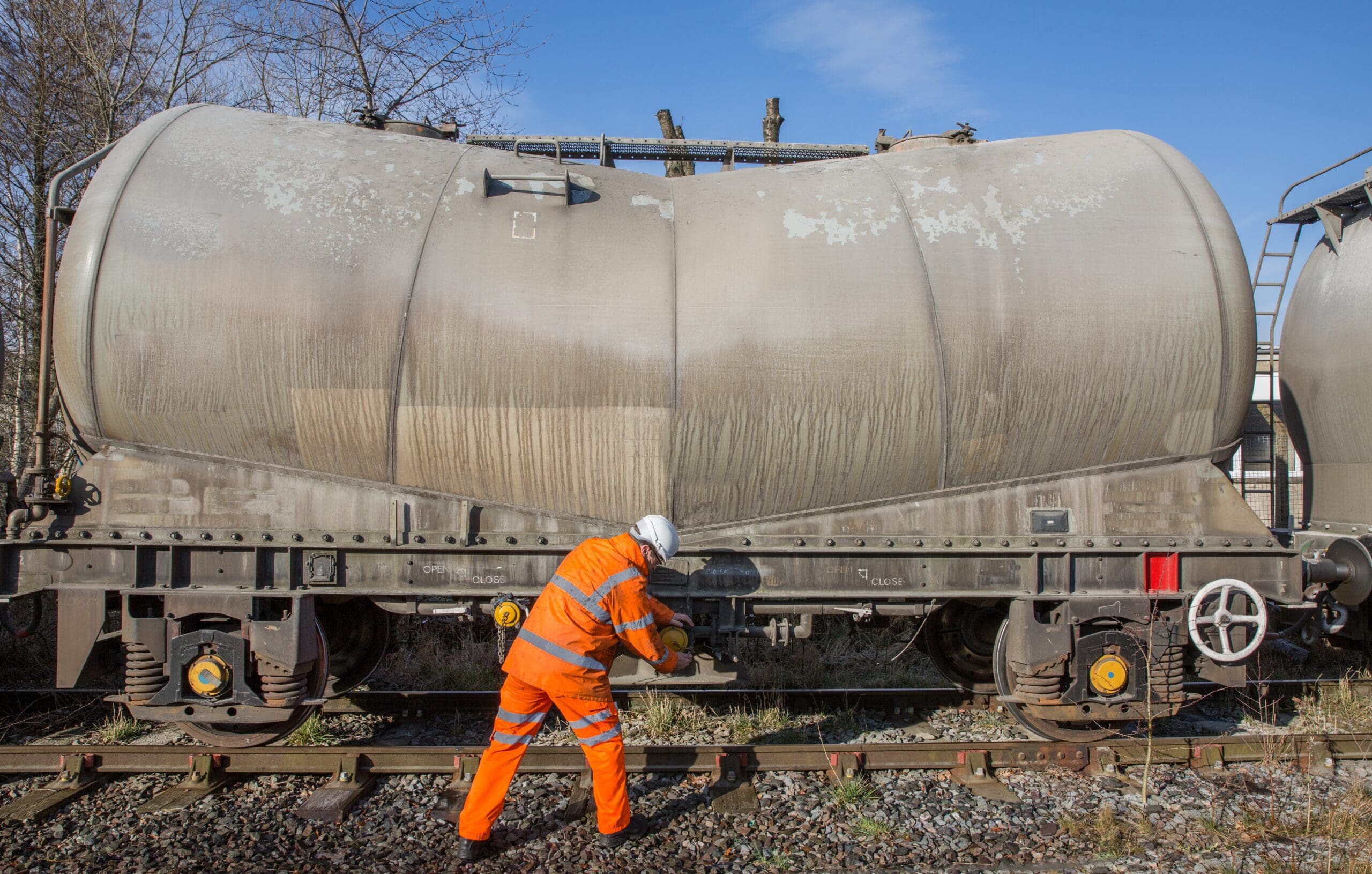
Despite the assertions of railroad companies, exposure to asbestos on the job can result in mesothelioma as well as other asbestos-related diseases. While asbestos is not used anymore in trains, it can be found in older structures like locomotives, buildings cabooses, tracks, and even cabooses.
Contrary to workers' compensation, FELA permits plaintiffs to directly sue their employer. This permits victims to collect damages that are far greater than those provided under workers' compensation laws. This includes compensatory damages and punitive damage, such as past or future lost wages, suffering, permanent impairment and out-of-pocket expenses, including medical costs.
FELA Settlements
Railroad workers face unique circumstances when making the FELA complaint. Prior to Interstitial lung disease lawsuit , there was no law in the United States that required railroad companies to offer workers' compensation benefits for injured employees. This meant workers suffered unnecessarily from unsafe working conditions and management directed by railroad company officials.
Even though railroad companies were aware of the many risks associated with their industry, that doesn't excuse them from being held accountable when workers are injured or killed in the course of work due to negligence. The first step is for the injured worker to speak with an experienced FELA attorney to get the assistance they require.
An attorney will look into the injury as soon the lawsuit is filed. This involves taking photographs of the scene of the accident and talking to witnesses and examining equipment that is defective. The longer time passes, the harder it is to complete these tasks since the location could have changed the equipment and tools could be repaired or sold and witnesses' memories could fade.
FELA allows railroad workers who have been injured to recover damages for lost income or pain and suffering, anxiety or mental stress for future and past medical expenses and much more. If your loved ones have died from mesothelioma or an asbestos-related disease, the wrongful victims of the death can also submit a claim.
FELA Verdicts
In 1908 Congress adopted the Federal Employers Liability Act (FELA) which allowed railroad workers to sue their employers directly for injuries. Contrary to standard laws on worker's compensation, FELA requires that injured railroad workers prove their employer was negligent in causing the injury.
The proof of negligence in a FELA lawsuit is usually less difficult than in other types of personal injury cases. In addition, to the usual burden of evidence, the plaintiff needs to show that the railroad was negligent in the triggering of their injury or illness. This can be proved by written discovery or depositions, where a lawyer will ask the victim questions under the oath.
Based on the outcome of the findings of a FELA investigation, a railroad company may decide to settle your claim before trial. This is more likely when the railroad company is determined to be responsible for a large portion of your injury or illness.
This is a typical tactic employed by railroad defense lawyers who do not wish to participate in an entire jury trial. Often, these attorneys will claim that anything else, including smoking the plaintiff's house and neighborhood, genetics--but asbestos exposure at work has contributed to mesothelioma, or any other asbestos-related disease. Norfolk Southern Railway lawsuit of defense is not sound and doesn't hold up in court.
Attorneys FELA
Federal Employers Liability Act requires railroad companies ensure that their employees work in a safe and secure environment. Unfortunately railroad workers are frequently injured, trampled, side-swiped or injured in other workplace accidents. They are also often exposed to dangerous noises and fumes. Unfortunately, a majority of these accidents cause the death of a person.
FELA lawsuits are different than workers' compensation claims due to the fact that a worker must prove their injuries were partly caused by the railroad's negligence. Interstitial lung disease lawsuit is a crucial distinction due to railroads' reputation for trying to hide accidents and to escape liability for injured workers.
In the event a worker is diagnosed with an occupational disease like mesothelioma or asbestosis, he must be able to access expert and knowledgeable FELA lawyers. These lawyers can help workers and their families collect the damages they deserve.
It is important to hire a FELA attorney the earliest time possible following an accident, because evidence can vanish in time. Furthermore, the statute of limitations for filing an claim is three years after the injury. An experienced lawyer can conduct an exhaustive investigation, collect medical records and talk to witnesses to back the client's case. They can also stop railroads from taking measures to conceal evidence. This could include denying an injured worker the right to record a statement or to perform a recreation.